Pet Humanization Is Quietly Reshaping a $185 Billion Industry
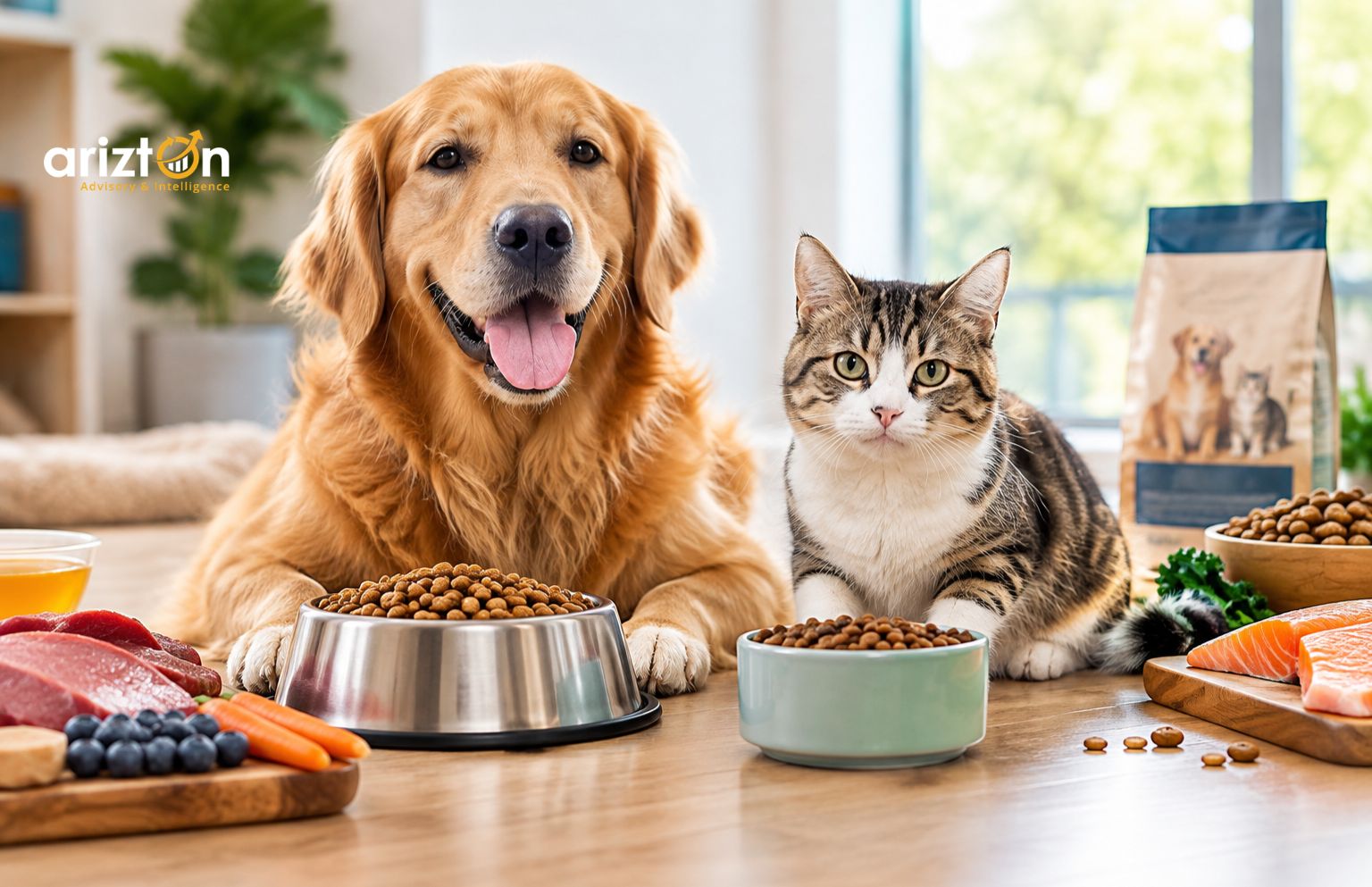
Pet owners today think about what goes into a bowl the same way they think about their own dinner plate. That single shift in mindset — from feeding a pet to nourishing a family member — is behind nearly everything happening in pet food right now, from ingredient sourcing to packaging design to how brands sell directly to the people buying their products.
What Is Driving Global Pet Food Trends?
The global pet food market was valued at USD 128.21 billion in 2024 and is projected to reach USD 185.54 billion by 2030, growing at a CAGR of 6.35%. This trajectory reflects how global pet food trends have moved well beyond basic nutrition into premiumization, functional health claims, and sustainable sourcing. Pet humanization — the tendency to treat companion animals as full family members — continues to be the single biggest force reshaping category demand, pushing owners toward products that mirror the standards they apply to their own food.
Key Insight: Pet humanization is converting routine feeding decisions into premium, health-driven purchases across nearly every pet food category.
What Trends in Pet Food Are Shaping Purchasing Decisions?
Three forces stand out among current trends in pet food. First, sustainability has moved from a marketing add-on to a baseline expectation, with brands adopting recyclable packaging and ethically sourced ingredients. Second, personalization is gaining ground, as formulations tailored to breed, age, and health condition become more common. Third, functional nutrition — products fortified with probiotics, omega-3s, and targeted supplements — is expanding rapidly as owners look for food that does more than satisfy hunger. Together, these shifts are steering manufacturers toward fortified, traceable, and increasingly customized product lines.
How Big Is the Pet Nutrition Market Today, and Where Is It Headed?
The broader pet nutrition market is shifting from maintenance feeding toward preventive health. Products addressing weight management, digestive support, and immune health are becoming standard rather than niche, and ingredient verification technologies such as Near Infrared Spectroscopy are helping manufacturers guarantee the consistency that health-focused claims depend on. Within pet type segments, the dog food category is expected to post the fastest growth, at a CAGR of 6.69%, driven by demand for joint, digestive, and skin-health formulations. Cats aren't far behind — wet food in particular is gaining share because of its higher moisture content and its fit with feline feeding instincts.
Get More Insights: https://www.arizton.com/market-reports/pet-food-market
Why Does the Dry Pet Food Market Continue to Lead?
Despite the premiumization wave, the dry pet food market still commands the largest share of the category, and for straightforward reasons: affordability, shelf stability, and ease of storage make it the practical default across both developed and emerging economies. That doesn't mean dry food has stood still — many formulations now build in dental-health benefits like tartar control, showing that even the most established format is being pulled into the broader innovation cycle.
Bottom line: dry pet food remains the volume leader, but innovation within the format is keeping it competitive against premium wet and fresh alternatives.
How Can Small Businesses Tap Into the Natural Pet Treats Opportunity?
For smaller brands weighing a natural pet treats global market expansion strategy, the opening lies in the gaps left by large manufacturers. The pet treat products market is expanding fastest where big players move slowest — small-batch, single-ingredient, and functional treats (joint support, dental health, calming formulations) let independent brands compete on formulation quality rather than shelf presence. A workable entry strategy typically combines three elements: a tightly defined natural or organic ingredient story, a direct-to-consumer or specialty-retail distribution channel rather than competing head-on for supermarket shelf space, and clean-label packaging that signals sustainability credentials at a glance. Because trust and traceability matter more in treats than in staple food, small businesses that lean into transparent sourcing often out-compete larger, more diversified brands in this specific niche.
What Is the Growth Outlook for Natural Dog Treats Through 2030?
Natural dog treats sit at the intersection of two of the fastest-growing forces in the category: the dog food segment's 6.69% CAGR and the broader pull toward clean-label, grain-free formulations. As functional and specialized nutrition trends extend from meals into treats, expect natural dog treats to grow faster than the treats category overall through 2030, particularly formats built around single-source proteins, dental benefits, or added joint and digestive support. Brands that can substantiate those functional claims — rather than simply labeling a product "natural" — are best positioned to capture this growth.
Why Does North America Lead the Pet Food Market?
North America remains the largest contributor to the global pet food market, anchored by high pet ownership rates and strong demand for premium, functional nutrition in the U.S. and Canada. The North America pet food market stands out for how far premiumization has advanced: organic, grain-free, and clean-label products are no longer a niche tier but a mainstream expectation. Customized nutrition tied to breed, age, and health condition has become a standard offering rather than a differentiator, which is pushing manufacturers to keep innovating simply to hold share.
Key Insight: in North America, premiumization has shifted from a competitive advantage to a baseline cost of entry.
How Is the North America Pet Food Packaging Market Evolving?
Packaging has become a genuine battleground rather than an afterthought. The North America pet food packaging market is moving decisively toward recyclable and sustainably sourced materials, driven by Canadian and U.S. consumers who increasingly weed out brands that don't meet their environmental expectations. This isn't purely defensive positioning — sustainable packaging is now a purchase driver in its own right, particularly among the same premiumization-minded buyers driving demand for natural and organic formulations.
Know More: Global Pet Food Market - Focused Insights 2025-2030
Conclusion: A Market Rewarding Substance Over Claims
The global pet food market's path to USD 185.54 billion by 2030 isn't being built on a single trend — it's the sum of pet humanization, functional nutrition, sustainable packaging, and shifting distribution all pulling in the same direction. What separates the brands pulling ahead, from major players like Nestlé Purina and Mars Petcare down to small natural-treat startups, is the same thing across every segment: the ability to back up premium and natural claims with real formulation quality and traceable sourcing. As global pet food trends keep tilting toward functional, personalized, and directly delivered products, that substance-over-marketing bar is only going to get higher.