Garden Hand Tools Market to Size to Reach USD 24.46 billion by 2031: Product, Material, and Regional Shifts Shaping the Next Phase of Growth
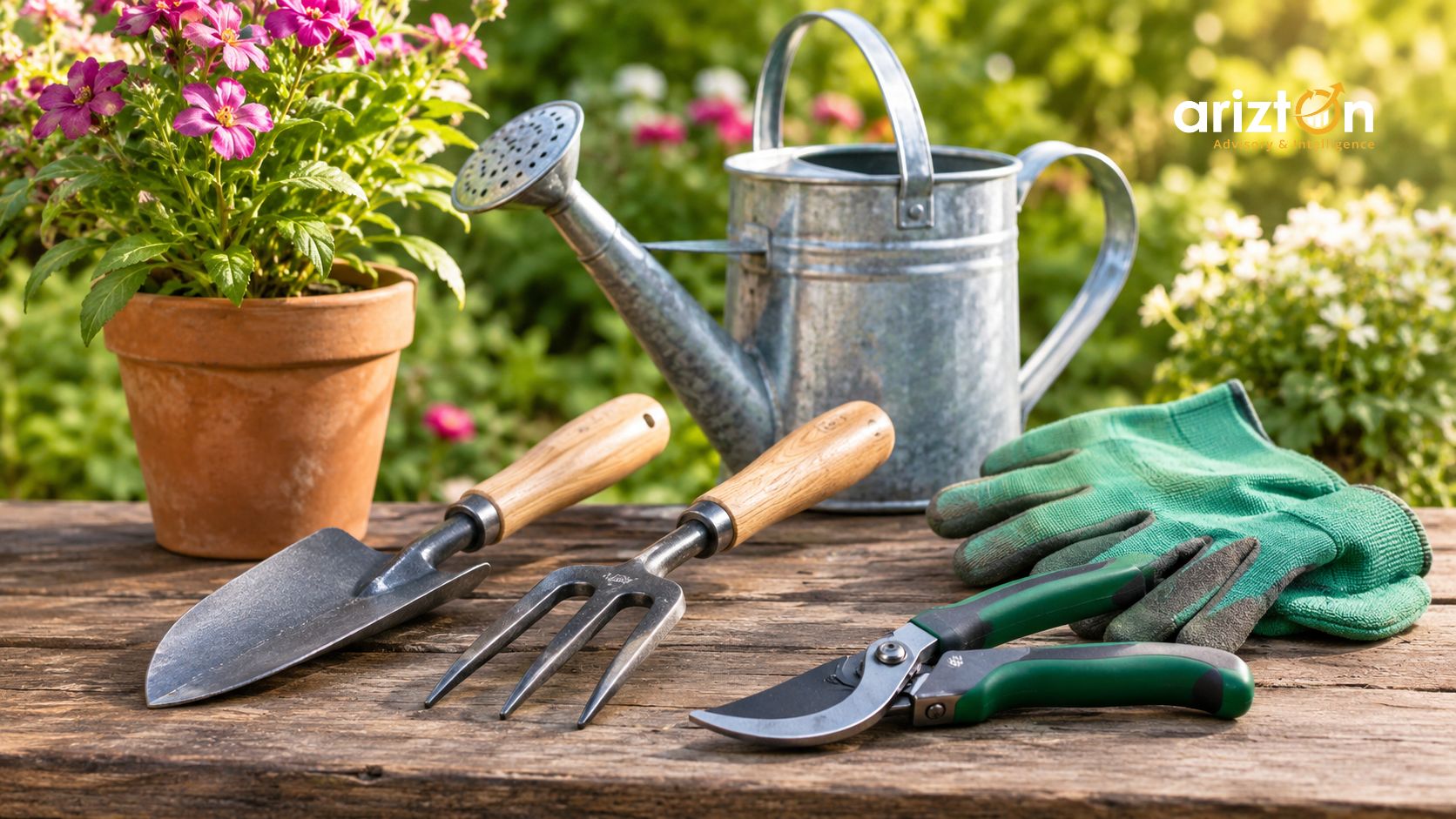
The global garden hand tools market is projected to grow from USD 19.50 billion in 2025 to USD 24.46 billion by 2031, registering a CAGR of 3.85%. Demand continues across residential gardening, landscaping, horticulture, and public green-space maintenance. However, market growth is influenced by more than the expansion of gardening activity. Product requirements, material choices, purchasing preferences, and regional market conditions also affect how demand develops across the industry.
As competition continues across established brands, specialist suppliers, and regional players, understanding these differences becomes important. The ability to identify changing customer requirements, assess product-level growth, and respond to regional demand will influence how companies position themselves in the garden hand tools market through 2031.
Hand Pruners Offer a Faster-Growing Product Opportunity
Pruning tools accounted for approximately 34% of the global garden hand tools market in 2025, making them the largest product category. Within this segment, hand pruners are projected to grow at a CAGR of 5.68% during 2025–2031, compared with 3.85% for the overall market.
This growth points to increasing opportunities in a product category used across residential gardening, landscaping, and commercial horticulture. Demand from orchard operators and professional landscapers also brings different requirements for cutting capacity, blade strength, precision, and tool durability.
For companies, this creates a case for expanding hand pruner ranges across residential and professional applications. Products designed for different branch sizes, cutting frequency, and user requirements can help suppliers differentiate their offerings beyond standard pruning tools.
Market implication: Hand pruners are growing faster than the overall market, making them an important category for manufacturers assessing product development and portfolio priorities.
Explore the Garden Hand Tools Market Analysis – https://www.arizton.com/request-sample/5227
Metal Selection Becomes a Competitive Product Decision
The metal segment is expected to record the highest growth among material categories in the global garden hand tools market. For manufacturers, this makes material selection an important part of product development, influencing blade performance, tool strength, corrosion resistance, and durability.
Carbon steel, stainless steel, forged steel, and iron serve different requirements across cutting, digging, striking, and cultivation tools. Professional users, including landscaping contractors, nurseries, and orchard operators, need tools built for repeated use. Residential buyers, meanwhile, consider build quality, ease of maintenance, and product lifespan.
Manufacturers can differentiate their products through corrosion-resistant finishes, replaceable blades and tool heads, and material choices suited to specific applications. These features allow suppliers to address different usage requirements rather than compete only on price.
Market implication: Material selection and product construction can help manufacturers differentiate their offerings across professional and residential segments.
Explore Material Segmentation and Forecasts – https://www.arizton.com/request-sample/5227
Residential Demand Requires More Than One Product Strategy
The residential segment accounted for the largest share of the global garden hand tools market in 2025. However, the tools needed by homeowners with large gardens differ from those used by apartment residents growing plants on balconies, terraces, or indoors.
Larger gardens require a range of tools for pruning, digging, soil preparation, and regular maintenance. In smaller spaces, consumers are more likely to need compact tools such as hand trowels, forks, and pruning snips for container gardening and indoor plants.
For business these differences matter when planning product ranges. A product range designed only for traditional gardens may not address the needs of consumers with limited planting space. Offering tools for different gardening settings allows companies to serve a broader section of residential buyers.
Market implication: Manufacturers need to consider garden size and available planting space when developing and positioning residential product ranges.
Explore End-User Market Opportunities – https://www.arizton.com/request-sample/5227
APAC's Market Leadership Makes Regional Strategy Important
APAC accounted for more than 37% of the global garden hand tools market in 2025. However, demand and growth prospects vary across the region. China is expected to record the highest CAGR in APAC during 2025–2031, while other markets differ in purchasing power, gardening practices, and product preferences.
China's urban greening projects add to the need for garden maintenance tools. According to the National Forestry and Grassland Administration, more than 4,700 pocket parks and 5,800 kilometers of greenways were initiated in 2025. Maintaining these spaces involves regular planting, pruning, soil preparation, and landscaping work.
This expanding across APAC requires more than offering the same products in every country. Product pricing, specifications, and distribution need to suit local buying conditions and end-user requirements.
Market implication: APAC's scale offers manufacturers a substantial market opportunity, but product positioning and route-to-market strategies need to reflect local requirements.
Explore Regional Market Analysis and Forecasts – https://www.arizton.com/request-sample/5227
Distribution Access Remains a Critical Competitive Factor
Offline channels accounted for the largest share of the global garden hand tools market in 2025. Physical stores remain important for products where buyers want to assess grip, weight, balance, handle length, and blade action before making a purchase.
Garden centers, hardware stores, home-improvement retailers, and specialty outlets serve different gardening needs, from everyday household tools to products for more specific applications. These stores also allow buyers to compare product quality and handling before choosing a tool.
Online channels provide another way to access garden hand tools, with product listings allowing consumers to compare specifications, features, and prices before purchasing.
Market implication: Offline retail remains the leading distribution channel, while online platforms give consumers another way to compare and purchase products.
Explore Distribution Channel Analysis – https://www.arizton.com/request-sample/5227
What Market Participants Should Watch
The strongest growth signals in the garden hand tools market are emerging within specific segments rather than from overall market expansion alone. Hand pruners are forecast to grow faster than the total market, metal is expected to lead growth among material categories, and residential demand and APAC's regional growth point to differences in where demand is concentrated.
For companies operating in the market, these developments raise important questions: which product categories offer stronger growth prospects, how are material and product requirements changing, and which customer groups and regional markets deserve closer attention? The answers will influence product planning, distribution decisions, competitive positioning, and investment priorities.
Access the Global Garden Hand Tools Market Report
Explore market sizing, segment forecasts, regional opportunities, competitive landscape, and strategic insights to evaluate growth opportunities across the global garden hand tools industry.
Get free sample: https://www.arizton.com/request-sample/5227
Why Clients Choose Our Research
- Expert judgment, not just information. Our analysts bring years of industry context to every insight, so you get a point of view you can stand behind in the boardroom.
- Primary insight from the field. We combine public announcements with conversations across dealers, distributors, and industry participants, so you see what is happening beyond the press release.
- Validated, not assumed. Every claim is checked against multiple sources before it reaches you, which means fewer surprises after you act.
- Built around your decisions. We tailor findings to your product line, region, and channel, so you get answers to your questions and not just a market overview.
- A partner you can question. Our team is available to discuss, challenge, and refine the findings with you.
About Us:
Founded in 2017, Arizton Advisory & Intelligence delivers data-driven market research and strategic consulting that empowers clients to make informed decisions and drive growth. Combining quantitative and qualitative insights, we provide in-depth analysis across industries including Agriculture, Consumer Goods, Technology, Automotive, Healthcare, Data Centers, and Logistics. Recognized by top-tier media, our expert team transforms complex market data into actionable strategies, helping clients anticipate trends, seize opportunities, and stay ahead of the competition.
Contact Us
Mail: [email protected]
Contact Us: https://www.arizton.com/contact-us
Website: https://www.arizton.com/
Call: +1 312-680-2940
Source: Arizton Advisory & Intelligence