Global Pool Heat Pump Sales Gain Strong Momentum; 1.2 Billion Units Expected by 2030
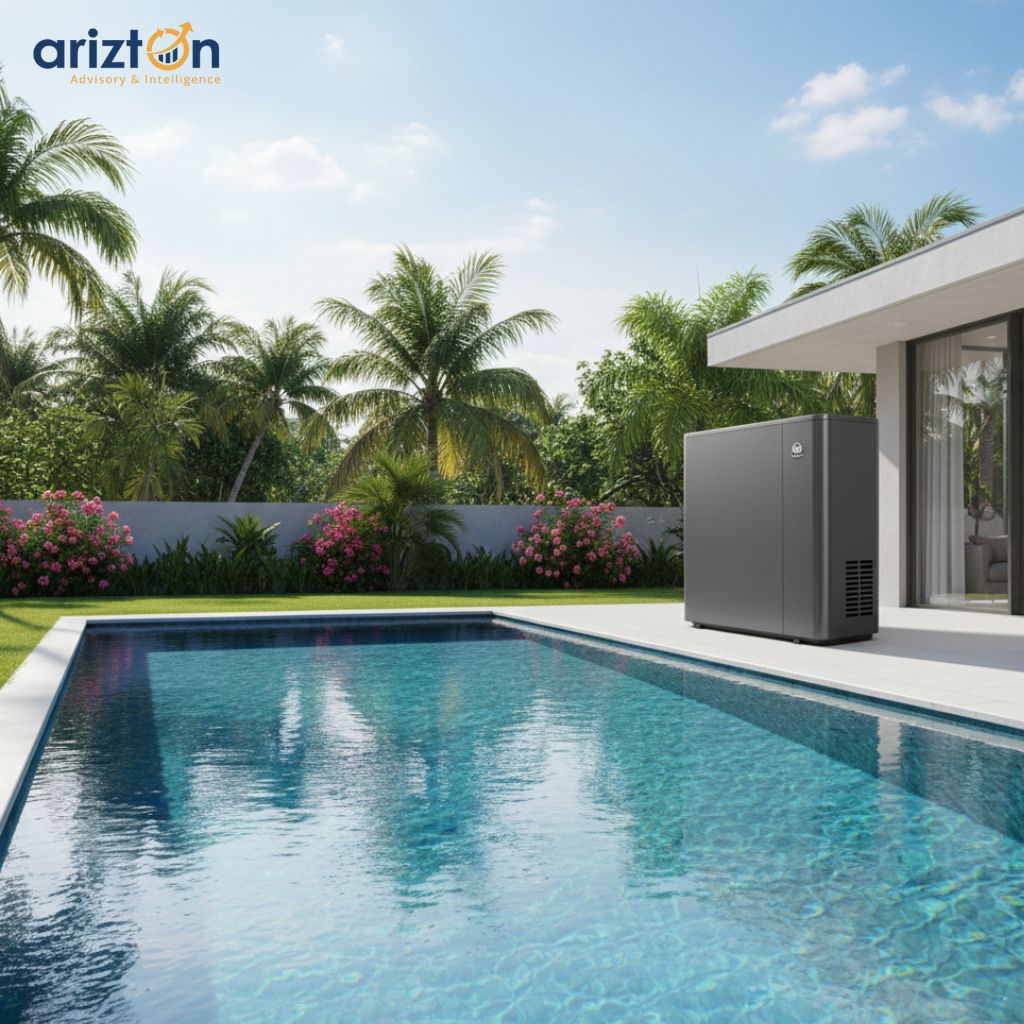
This growth is increasingly linked to carbon-neutrality mandates and sustained energy-cost inflation, which are shifting customer economics toward electrification and strengthening energy-efficient pool heating adoption. As end users seek to reduce lifetime energy spend and emissions exposure, replacement cycles for gas-based pool boilers are shortening, reinforcing retrofit-led pool heat pump demand. As a result, global pool heat pump shipments are expected to reach approximately 1,246 thousand units by 2030, underscoring the durability of this demand shift.
Within this context, the global pool heat pump market size was valued at approximately USD 2.3 billion in 2024 and is expected to reach around USD 3.13 billion by 2030, reflecting a pool heat pump market growth rate of about 5.3% CAGR. At current pool heat pump adoption trajectories, pool heat pumps are positioned to materially increase their share within the global pool heating mix by 2030, supported by replacement-led demand and improving energy economics.
Technology Standardization Is Improving Pool Heat Pump Economics
Technology adoption in the pool heat pump market is increasingly centered on inverter pool heat pumps and smart control systems as manufacturers and end users prioritize lower operating costs, improved load management, and compliance with evolving energy frameworks. Inverter-driven systems modulate output in line with real-time demand, improving operational stability, reducing noise, and enhancing efficiency across residential and commercial pool heat pump installations. At the same time, smart pool heat pumps enable remote monitoring, scheduling, and diagnostics, supporting more efficient electricity usage and alignment with off-peak and grid-responsive energy models. As a result, these technologies are transitioning from optional features to baseline requirements across global installations.
Residential Construction Resilience Supports Baseline Demand
Residential construction activity across APAC, Europe, and the Middle East & Africa pool heat pump markets remains resilient through 2025, supported by urbanization, rising household incomes, and the growing integration of lifestyle amenities such as swimming pools in new housing developments. In Europe, continued activity in coastal and second-home markets is sustaining residential pool heat pump demand, while large-scale township developments in India and stabilization measures in China are supporting both new construction and pool heat pump retrofit demand. Collectively, these trends reinforce a stable baseline for amenity-driven residential demand.
To access the complete data tables and in-depth insights: Pool Heat Pump Market Size, Growth Analysis & Forecast 2030
Upfront Cost Sensitivity Continues to Shape Adoption
Despite favorable lifetime economics, high upfront equipment and installation costs remain a structural constraint on pool heat pump adoption, particularly in price-sensitive markets. Installation complexity and labor costs continue to influence purchase decisions, especially in retrofit scenarios. However, declining equipment costs, improving installer familiarity, and expanding energy-efficiency incentives are expected to gradually improve affordability, supporting broader pool heat pump market forecast expectations over the medium term.
North America Remains the Anchor Market
North America pool heat pump market demand accounted for nearly 38% of global pool heat pump demand in 2024, supported by a large installed base of residential swimming pools and strong penetration of electric pool heating solutions. Replacement-driven demand, electricity price volatility, and tightening efficiency standards continue to support pool heat pump market growth in the region. Within North America, the United States represents the fastest-growing revenue market, driven by retrofit adoption in states such as California, Florida, Texas, and Arizona. Demand from hospitality pools and community recreation facilities further supports higher-capacity commercial pool heat pump installations.
Key Market Takeaways
Looking ahead, the global pool heat pump market outlook remains anchored in replacement-led demand as energy-cost inflation and carbon-neutrality mandates accelerate the electrification of pool heating. Continued improvements in operating economics, rising penetration of inverter and smart technologies, and steady residential demand across key regions are expected to support sustained pool heat pump sales momentum.