Surgical Training Is Entering a Simulation Era and the Market Is Racing Toward $1.14B
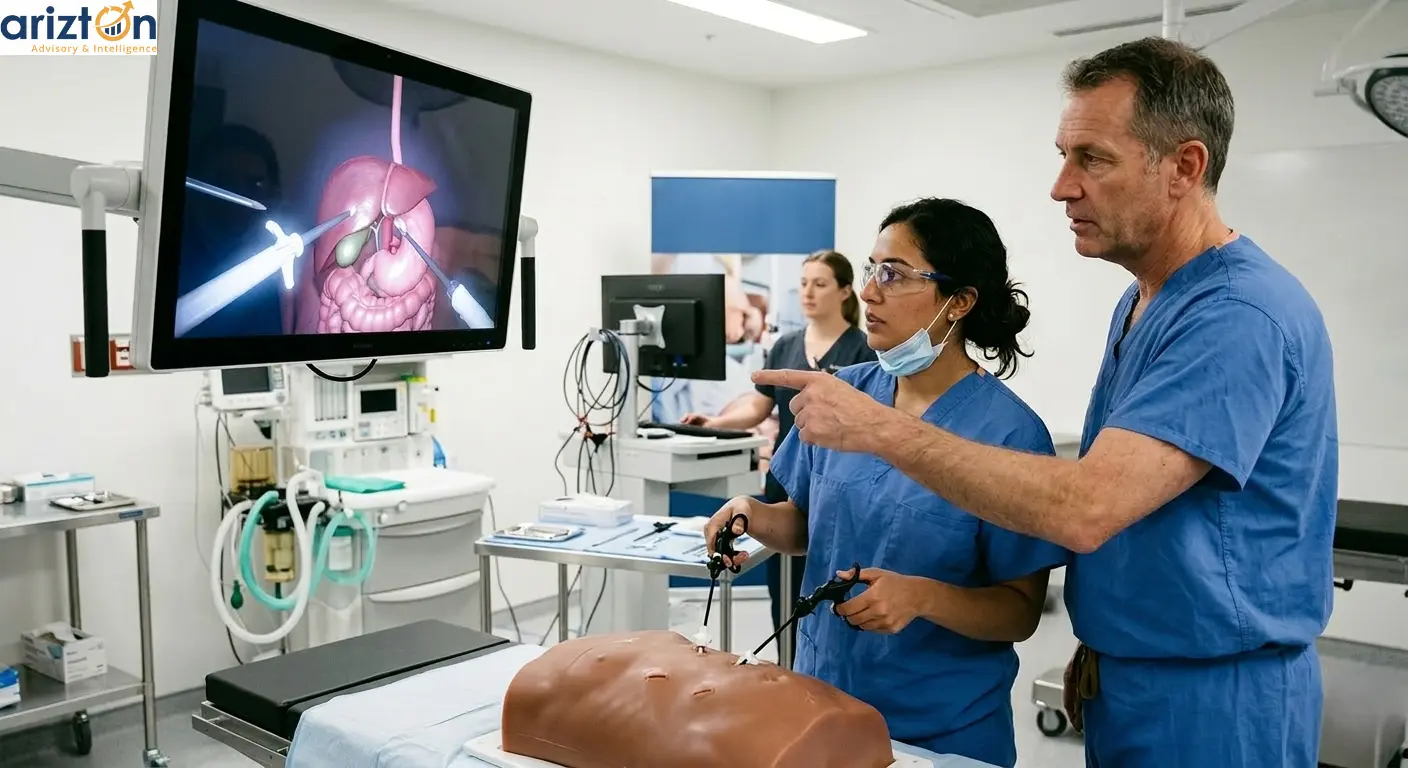
The global surgical simulation market is entering a new growth cycle as multiple technologies reach maturity at the same time. The convergence of AI-driven training platforms, VR/AR surgical simulation, haptic feedback systems, and cloud-based learning environments is redefining how surgical skills are developed, assessed, and standardized.
What was once considered a supplementary training tool is rapidly becoming core infrastructure for modern surgical education, particularly as healthcare systems adopt competency-based training models and intensify their focus on patient safety. Adoption is expanding across high-precision specialties such as orthopedic surgery, cardiac surgery, neurosurgery, and transplant procedures, creating new opportunities for technology developers, simulation providers, and medical training institutions.
AI Is Turning Surgical Training into a Data-Driven System
Artificial intelligence is introducing a new layer of intelligence to surgical simulation training platforms. AI systems analyze trainee performance in real time, identify skill gaps, and automatically adjust training modules based on individual learning patterns.
For hospitals and training institutions, this shift enables a move away from traditional standardized training toward data-driven surgical education, where performance metrics and competency benchmarks guide skill development.
VR & AR Are Moving from Pilot Projects to Institutional Procurement
Healthcare institutions are moving beyond pilot programs and increasingly deploying VR and AR surgical simulation platforms at scale. Immersive VR environments allow trainees to rehearse complex procedures repeatedly in highly realistic settings without patient risk.
Augmented reality further strengthens training by overlaying digital anatomy onto real environments, creating mixed-reality experiences that help bridge the gap between simulation training and real operating room procedures.
The Race to Solve Haptic Realism Is Defining the Next Generation of Simulators
Haptic feedback is becoming a critical differentiator in next-generation surgical simulators. These systems replicate tactile sensations such as tissue resistance, instrument pressure, and procedural force encountered during surgery.
By incorporating the sense of touch, haptic systems help trainees develop muscle memory, dexterity, and instrument control, addressing the limitations of visual-only simulation platforms.
Hospitals Are Moving from Standalone Tools to Integrated Simulation Ecosystems
Demand is increasing for hybrid simulation systems that integrate virtual environments, physical models, haptic technology, and AI-based performance analytics into a single platform.
These systems allow surgeons to transition seamlessly between virtual procedures and hands-on skill development, while institutions gain centralized performance data that supports competency evaluation and training standardization.
Cloud Delivery Is Expanding Simulation Beyond Elite Medical Centers
Cloud delivery is expanding the reach of surgical simulation training beyond well-funded academic centers. Hospitals and medical schools can now deploy simulation programs without major infrastructure investments while accessing continuously updated training content.
Mobile-enabled platforms further support flexible training, allowing surgeons to engage with simulation modules on tablets and portable devices, supporting continuous learning across different clinical schedules.
Explore the Technologies Driving Growth in the Global Surgical Simulation Market
Why Regulatory Pressure Is Turning Simulation into a Training Requirement
Growing regulatory focus on patient safety and competency-based credentialing is accelerating the adoption of surgical simulation technologies. Healthcare institutions are increasingly using simulation to reduce procedural errors, strengthen skill development, and prepare clinicians for complex or rare surgical scenarios before they occur in real patient environments.
North America Leads, but Asia-Pacific Is Becoming the Growth Engine
North America leads the global surgical simulation market, accounting for over 40% share in 2024, supported by advanced healthcare infrastructure, strong R&D investment, and early adoption of immersive technologies.
Europe continues to grow steadily through healthcare modernization initiatives, Meanwhile, Asia-Pacific is emerging as the fastest-growing region, fueled by expanding healthcare infrastructure, rising investments in medical education, and increasing adoption of digital simulation technologies.
Looking Ahead: Simulation Becomes a Standard in Surgical Education
Surgical simulation is expected to evolve from a specialized training technology into a standard component of surgical education and hospital training programs worldwide. As simulation platforms become more immersive, data-driven, and accessible through cloud infrastructure, adoption is likely to accelerate across both developed and emerging healthcare systems.
At the same time, growing regulatory emphasis on competency-based surgical training and patient safety will further strengthen the role of simulation technologies. Vendors that combine AI-driven analytics, realistic haptics, and scalable cloud platforms are expected to shape the next phase of innovation in the global surgical simulation market.
About Us:
Founded in 2017, Arizton Advisory & Intelligence delivers data-driven market research and strategic consulting that empowers clients to make informed decisions and drive growth. Combining quantitative and qualitative insights, we provide in-depth analysis across industries including Agriculture, Consumer Goods, Technology, Automotive, Healthcare, Data Centers, and Logistics. Recognized by top-tier media, our expert team transforms complex market data into actionable strategies, helping clients anticipate trends, seize opportunities, and stay ahead of the competition.
Full Report: https://www.arizton.com/market-reports/surgical-simulation-market