What Is Driving the Global Recreational Boat Market Toward a $49.8 Billion Valuation by 2031?
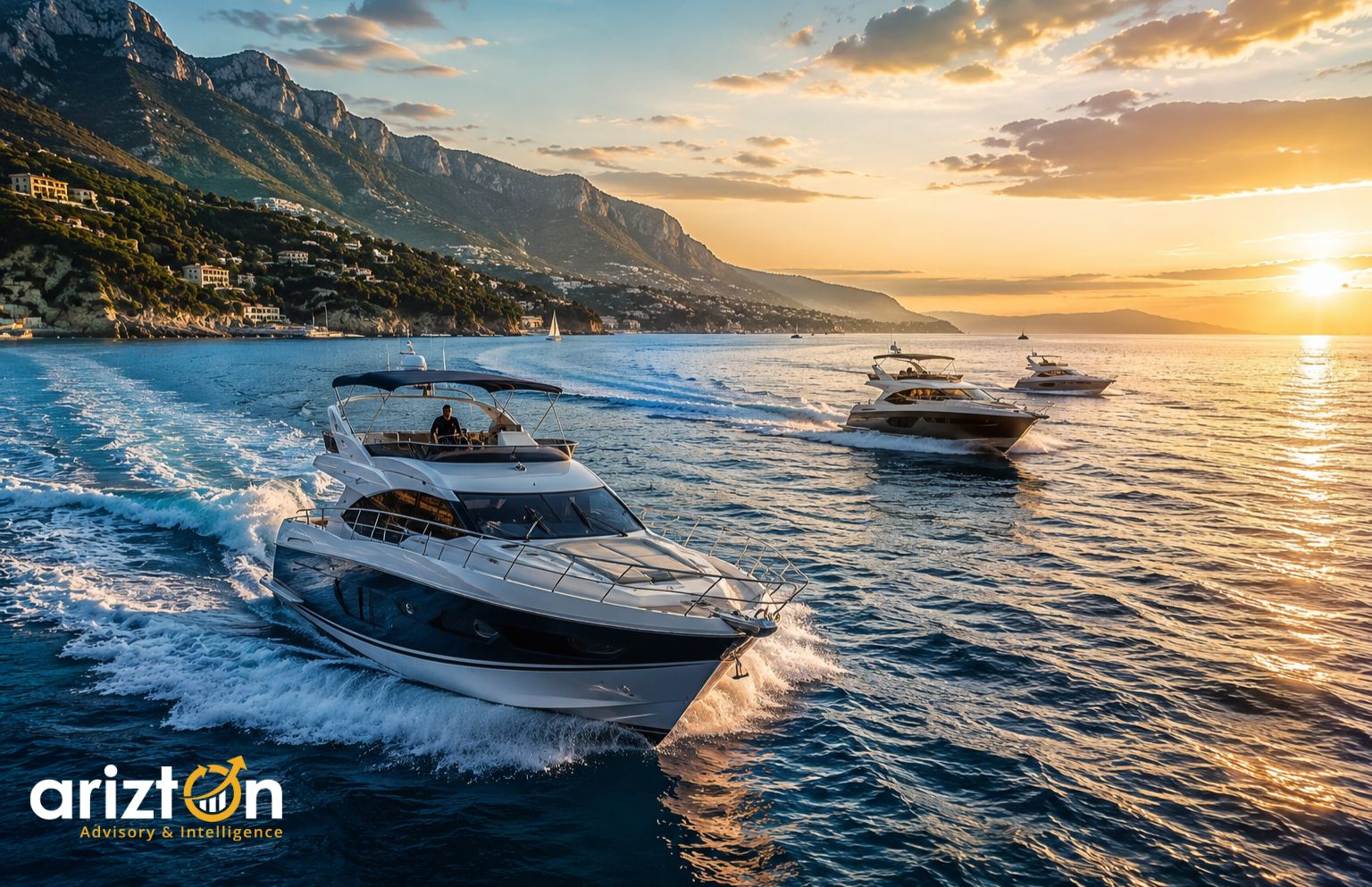
The global recreational boat market is evolving as consumers increasingly prioritize leisure, outdoor recreation, connectivity, comfort, and technologically advanced boating experiences. Demand is being supported by growing participation in water-based activities, rising interest in family-oriented leisure, and the adoption of smart technologies that make boats easier to operate and monitor.
The global recreational boat market was valued at USD 37 billion in 2025 and is projected to reach USD 49.81 billion by 2031, registering a CAGR of 5.08% during the forecast period. While rising recreational spending and technological innovation are creating new opportunities, high purchase and ownership costs continue to limit adoption among price-sensitive consumers.
More info: https://www.arizton.com/market-reports/recreational-boat-market
What Is Making Recreational Boating an Increasingly Attractive Leisure Activity?
Growing consumer interest in outdoor recreation is an important factor supporting recreational boat demand. Consumers are increasingly seeking experiences that combine travel, leisure, social interaction, and access to natural environments, positioning recreational boating as an attractive option for weekend activities and holidays.
Boats are being used for a broad range of activities, including fishing, cruising, tubing, wakeboarding, wakesurfing, family day trips, and social gatherings. This diverse use case is expanding demand across several product categories rather than concentrating growth in a single type of recreational boat.
The growing emphasis on experiences is also encouraging consumers to evaluate boats based on comfort, seating flexibility, storage, ease of access, onboard amenities, and suitability for specific activities. This trend is particularly relevant for pontoons, fishing boats, bowriders, wake boats, small cruisers, and personal watercraft.
Which Market Trends Are Redefining the Global Recreational Boat Industry?
The recreational boat industry is undergoing a gradual transformation as manufacturers integrate technology, connectivity, comfort, and multifunctionality into new models. Consumers increasingly expect boats to provide an intuitive and convenient ownership experience similar to that offered by connected automotive and consumer products.
Digital displays, advanced navigation systems, connected engines, remote monitoring, and automated controls are becoming increasingly important differentiators. Meanwhile, demand for boats capable of supporting multiple recreational activities is encouraging manufacturers to develop more versatile layouts and flexible configurations.
Premiumization is also influencing product development, particularly as higher-income consumers seek enhanced onboard experiences, advanced electronics, improved design, and greater comfort. These developments are encouraging manufacturers to compete through innovation rather than relying solely on traditional boat specifications.
How Is Smart Technology and Connectivity Transforming Recreational Boats?
Integration of smart technology & connectivity remains a significant trend in the global recreational boat market as buyers expect boats to be easier to operate, monitor, and manage. The trend is visible through digital helm displays, GPS chart plotters, engine telematics, battery and bilge alerts, app-based controls, joystick piloting, auto-levelling systems, remote monitoring, and onboard diagnostics across motorboats, pontoons, cruisers, and premium leisure boats.
These technologies can improve navigation, operational visibility, maintenance monitoring, and overall user convenience. As recreational boat buyers become more familiar with connected technologies in other areas of their lives, expectations for digital functionality onboard are also increasing.
Technology integration is therefore becoming an important factor in product differentiation, particularly in premium and technologically advanced recreational boat segments.
How Is Rising Interest in Water Sports Supporting Recreational Boat Demand?
Consumer interest in outdoor recreation is supporting demand for boats used for family day trips, fishing, cruising, tubing, wakeboarding, wakesurfing, paddle support, and social gatherings. This driver is visible across pontoons, fishing boats, personal watercraft, bowriders, wake boats, and small cruisers, as buyers select recreational boats around activity needs, comfort, storage, seating flexibility, and easy access to water for weekend use and holidays globally annually.
The broadening range of recreational applications allows manufacturers to target different consumer groups with specialized product configurations. For example, wake boats can appeal to consumers focused on water sports, while pontoons and small cruisers can attract families and groups seeking greater seating capacity and comfort.
As participation in outdoor and experiential leisure activities increases, recreational boats are expected to remain an important component of water-based recreation.
Which Product Categories Are Expected to Shape the Future of the Recreational Boat Market?
The market encompasses a wide range of recreational vessels, including pontoons, fishing boats, bowriders, cruisers, wake boats, personal watercraft, motorboats, and premium leisure boats. Each category serves different consumer requirements and recreational applications.
Pontoons are positioned to benefit from their spacious layouts, flexible seating, family-oriented design, and suitability for social activities. Fishing boats continue to benefit from demand among recreational anglers, while bowriders and small cruisers offer versatility for family outings and general leisure activities.
Wake boats and personal watercraft are supported by increasing participation in water sports and adventure-oriented recreation. Meanwhile, premium leisure boats are benefiting from demand among consumers seeking higher levels of comfort, technology, design, and onboard amenities.
How Are Manufacturers Using Technology to Differentiate Recreational Boats?
Manufacturers are increasingly incorporating advanced electronics, connected systems, navigation technologies, digital displays, automated controls, and improved propulsion technologies into recreational boats.
Technology can enhance the user experience by simplifying vessel operation and providing greater visibility into engine performance, battery condition, bilge status, navigation, and other onboard functions. Remote monitoring and connected applications can also allow owners to access selected boat information through mobile devices.
This technological evolution is particularly important for premium products, where buyers are increasingly evaluating boats based on the overall digital experience in addition to physical specifications and performance.
What Opportunities Exist for Companies in the Global Recreational Boat Market?
Several opportunities are emerging as consumer expectations and boating habits evolve. Manufacturers can capitalize on the growing demand for connected boats by expanding smart dashboards, remote monitoring, digital navigation, telematics, and automated operating features.
Another opportunity lies in developing versatile boats designed around multiple recreational activities. Products that combine comfortable seating, flexible layouts, storage, water-sports functionality, and easy handling can appeal to broader consumer groups.
Companies can also explore ownership alternatives, financing solutions, rental models, and shared-access platforms to address affordability concerns. Such approaches can help expand the addressable consumer base by reducing the financial barriers associated with full boat ownership.
Which Companies Are Shaping the Global Recreational Boat Market?
The global recreational boat market includes established manufacturers with broad product portfolios spanning recreational, premium, fishing, cruising, and water-sports applications. Key companies include:
- Azimut-Benetti Group
- BENETEAU
- Brunswick Corporation
- Ferretti Group
- Yamaha Motor Co., Ltd.
- White River Marine Group
These companies compete through product innovation, brand positioning, technology integration, product diversification, dealer networks, and expansion across different recreational boating segments.
What Does the Future Hold for the Global Recreational Boat Market?
The global recreational boat market is expected to maintain steady growth through 2031 as consumers continue to seek outdoor leisure experiences and water-based recreational activities. The increasing integration of smart technology and connectivity is expected to reshape the ownership experience, while demand for versatile and activity-oriented boats should support product innovation.
However, affordability will remain an important consideration. High purchase prices and recurring ownership costs may encourage some consumers to delay purchases, choose smaller vessels, buy used boats, or adopt rental and shared-access models.
Overall, the market is expected to progress toward a more connected, technology-enabled, versatile, and experience-focused recreational boating ecosystem, creating opportunities for manufacturers that can combine performance, convenience, comfort, and affordability.