From Seasonal Spikes to Year-Round Growth: U.S. Floral Gifting Market is Booming
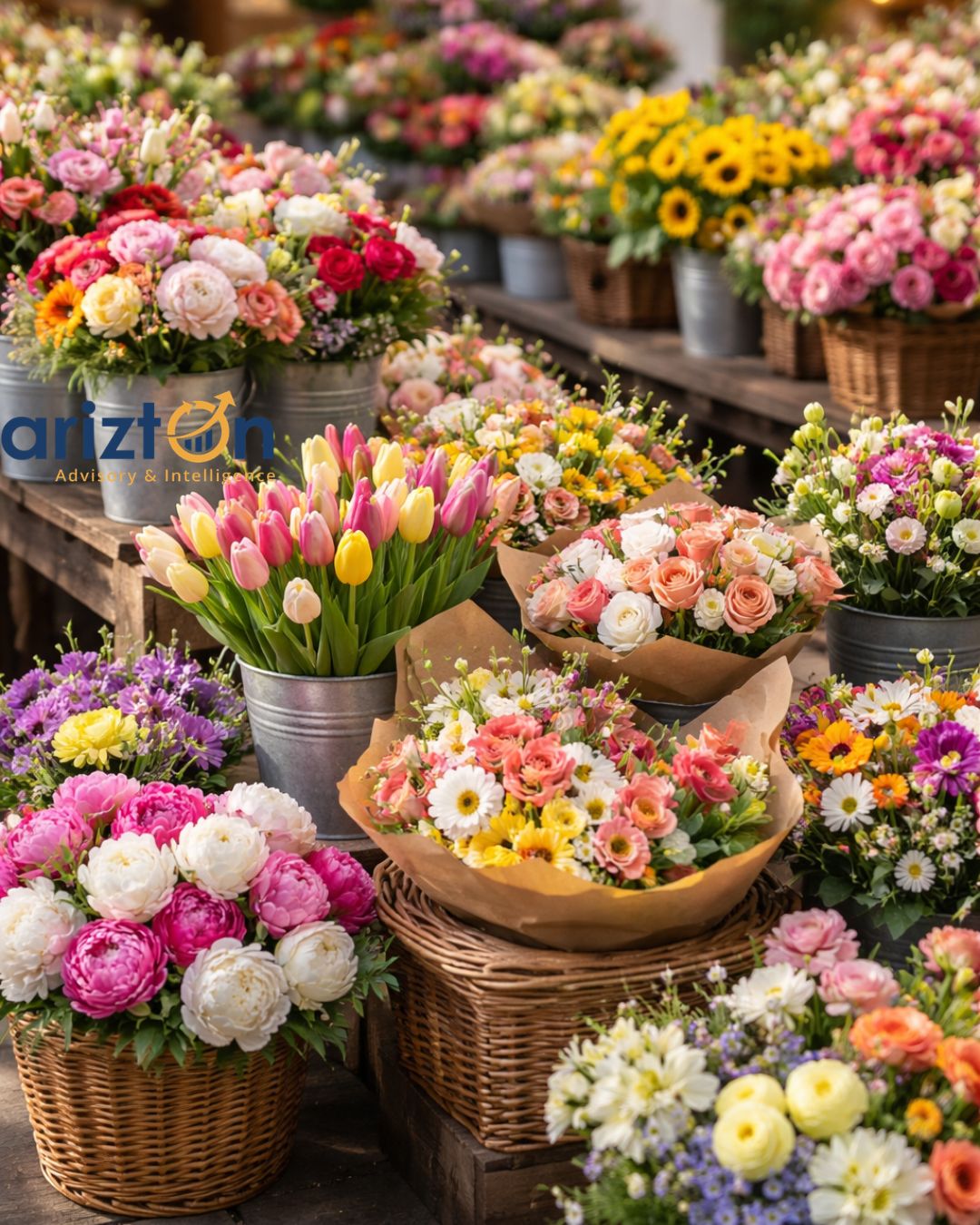
The U.S. floral gifting market is shifting from occasion-led spikes to frequency-driven demand, as consumers move beyond traditional holiday purchases toward more regular, everyday buying behavior. This change is being driven by the rapid growth of e-commerce, subscription models, and corporate gifting, which are making floral purchases more convenient and repeatable. As a result, online flower delivery and personalized gifting are increasing purchase frequency and expanding use cases beyond seasonal events.
Arizton Insight: The market was valued at USD 12.55 billion in 2025 and is projected to reach USD 17.06 billion by 2031, growing at a CAGR of 5.25%, supported by curated offerings and bundled gifting formats that enhance engagement and order value.
Read More: https://www.arizton.com/market-reports/us-floral-gifting-market
Where Is U.S. Floral Revenue Shifting?
The revenue in the U.S. floral gifting market is moving beyond traditional occasions, with self-gifting emerging as a core growth driver. More than 58% of purchases now come from self-use, as Millennials and Gen Z increasingly buy flowers for home décor, personal enjoyment, and emotional well-being. At the same time, weddings, corporate events, and celebrations continue to anchor high-value, bulk demand, keeping the premium segment strong. This shift toward more frequent, everyday purchases is being supported by steady product availability, with cut flower imports reaching approximately $2.7 billion in 2024, alongside $980 million in potted plants, helping the market sustain consistent, year-round revenue momentum.
An Import-Dependent Supply Chain Supporting Market Scale
The U.S. floral gifting market is supported by a well-established, import-driven supply chain, with nearly 80% of cut flowers sourced globally, as domestic production alone does not meet overall demand. In 2024, imports reached approximately $2.7 billion for cut flowers and $980 million for potted plants, reflecting the scale and consistency of inbound supply. Key sourcing regions such as Colombia and Ecuador play an important role through year-round production and reliable cold chain logistics, ensuring steady availability of both standard and premium flower varieties. At the same time, a strong retail and distribution network, along with the growth of e-commerce and same-day delivery, continues to support efficient fulfillment and meet evolving customer expectations.
Floral Demand in the U.S. Is Becoming More Frequent and More Predictable
The demand in the U.S. floral gifting market is shifting toward frequency-driven consumption, led by Millennials and Gen Z, who are expanding purchases beyond traditional occasions into everyday use and self-gifting. This shift is gradually transforming demand from seasonal spikes to more consistent, repeat buying patterns, supported by preferences for online ordering, personalization, and visually driven products.
At the same time, Gen X and older consumers continue to anchor higher-value, occasion-based purchases, creating a balance between volume-driven and premium demand segments. This evolving consumer mix is reshaping the market toward more predictable demand cycles, where frequency, convenience, and product adaptability play a growing role in overall growth.
Subscriptions are Creating More Predictable Revenue
The market is witnessing growing adoption of subscription and recurring delivery models, as consumers and corporate buyers prioritize convenience and consistency. Weekly and monthly flower subscriptions are driving repeat purchases and predictable demand cycles, while enabling companies to strengthen customer retention, improve inventory planning, and enhance revenue visibility.
Rising Costs are Driving Operational Changes in U.S. Floral Gifting
Cost pressure is becoming more structural in the U.S. floral gifting market, with rising labor, freight, and cold-chain logistics expenses steadily compressing margins. At the same time, continued reliance on imports and limited availability of certain premium flower varieties are driving price volatility and tighter supply conditions.
With growing competition from alternative gifting categories, the focus is shifting toward tighter pricing control, sharper product mix decisions, and more efficient inventory movement. Increasingly, growth is tied not just to demand, but to how effectively cost, assortment, and value positioning are managed together.
Five Strategic Takeaways in the U.S. Floral Gifting Market
- Growth is shifting from peak events to repeat purchases, making demand more predictable than traditionally assumed
- Product design is being shaped by logistics, with bouquets increasingly optimized for transport, shelf life, and delivery speed
- Revenue expansion is tied more to frequency than price, as smaller, repeat purchases scale faster than occasional high-ticket sales
- Assortment complexity is increasing, driven by demand for customization without sacrificing operational efficiency
- Competitive advantage is moving toward fulfillment capability, where speed, consistency, and execution influence purchase decisions as much as the product itself
About Us:
Founded in 2017, Arizton Advisory & Intelligence delivers data-driven market research and strategic consulting that empowers clients to make informed decisions and drive growth. Combining quantitative and qualitative insights, we provide in-depth analysis across industries including Agriculture, Consumer Goods, Technology, Automotive, Healthcare, Data Centers, and Logistics. Recognized by top-tier media, our expert team transforms complex market data into actionable strategies, helping clients anticipate trends, seize opportunities, and stay ahead of the competition.