Maternity Apparel Market: Consumers Prioritize Comfort, Longer Use, and Value as Industry Heads Toward USD 8.45 Billion by 2031
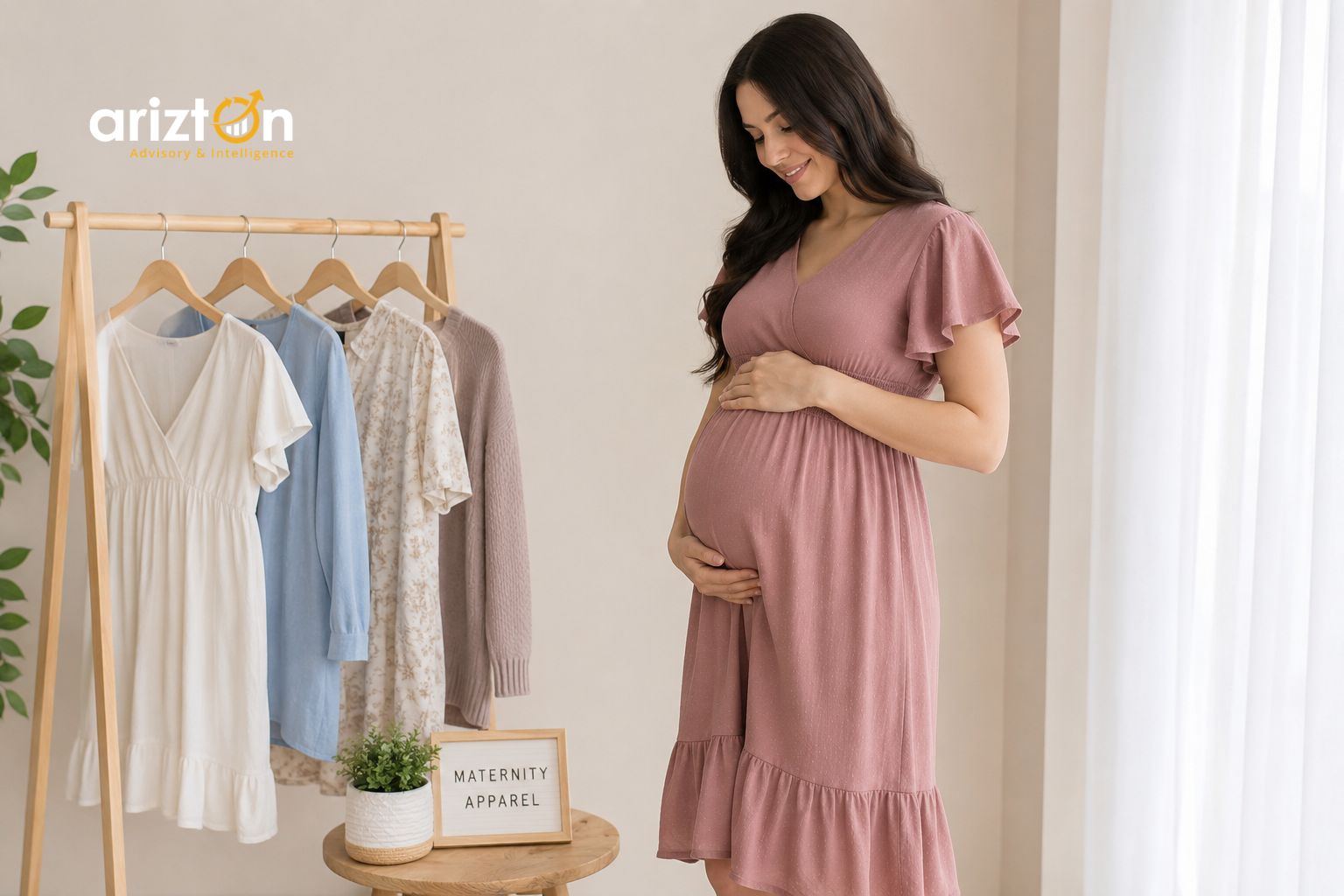
The global maternity apparel market was valued at USD 7.23 billion in 2025 and is expected to reach USD 8.45 billion by 2031, growing at a CAGR of 2.62% during the forecast period. Consumer preferences within the maternity apparel market are changing, with greater attention to comfort, fit, functionality, and style. Rising female workforce participation, fashion awareness, and e-commerce adoption are also supporting demand.
Growth is expected to vary across regions in 2026. North America and Western Europe are likely to see moderate growth, while APAC and Latin America are expected to record stronger growth as consumer demand increases and organized retail and e-commerce continue to expand.
To Know More, Click: https://www.arizton.com/market-reports/maternity-apparel-market
Longer Use Is Becoming More Important in Maternity Apparel
Maternity clothing is increasingly being designed for use across pregnancy, postpartum, and nursing. Consumers are looking for garments that provide greater value over a longer period rather than products with a limited period of use. This is increasing interest in stretch fabrics, adaptable designs, and everyday styles. For instance, Kindred Bravely's SoftStretch Cotton Collection and Bumpsuit's bodysuits, dresses, and loungewear reflect this shift toward products designed to remain useful across different stages of motherhood.
The short usage period of maternity clothing is also creating interest in rental, resale, and second-hand models. These options allow consumers to access premium or designer maternity wear without building an entirely new wardrobe, while also addressing affordability and textile waste concerns. Rent the Runway, for example, offers subscription plans that include maternity brands, allowing customers to change their wardrobes as their needs change during pregnancy.
Daywear Leads, While Innerwear Gains Momentum
Daywear accounts for around 63% of the global pregnancy clothing market in 2025, reflecting its importance in meeting everyday clothing needs throughout pregnancy. Maternity tops, dresses, trousers, denim, leggings, and workwear remain essential across office, casual, and social settings.
Meanwhile, innerwear is expected to be the fastest-growing product category as consumers place greater emphasis on maternal comfort and specialized support. Demand is increasing for maternity bras, nursing bras, support belts, shapewear, and postpartum recovery garments that accommodate changing body shapes during pregnancy and after childbirth.
Cotton Leads, While Spandex Gains Ground
Cotton remains the leading fabric in the maternity apparel market, supported by its comfort, breathability, and softness. Strong cotton production in countries such as India and the U.S. also helps manufacturers maintain competitive pricing.
Sustainability is influencing fabric choices, with companies increasing their use of organic and responsibly sourced cotton. At the same time, spandex is expected to be the fastest-growing fabric segment, with a CAGR of 3.20% from 2025 to 2031. Its stretch, flexibility, and shape-retention properties make it suitable for maternity clothing that needs to accommodate changing body shapes.
Retail Is Shifting, but Fit Still Matters
Offline retail accounted for the largest share of the global maternity apparel market in 2025, as consumers often prefer to assess fit, comfort, and fabric quality before purchasing.
Online retail is the fastest-growing distribution channel, supported by home delivery, wider product selection, competitive pricing, and easier product comparison. This is particularly relevant for consumers seeking greater convenience during pregnancy.
The shift is also changing retailer strategies. Debenhams Group has moved to a fully online business model, while NEXT plc and Marks & Spencer continue to invest in omnichannel strategies that combine physical stores with e-commerce.
APAC is Expected to See the Strongest Regional Growth
APAC is expected to be the fastest-growing regional market for maternity apparel. E-commerce is giving consumers access to a wider range of products and price points, while physical stores remain important for fit-sensitive categories such as maternity innerwear.
China and India remain key markets, supported by large consumer bases, expanding e-commerce ecosystems, and domestic maternity apparel brands. Southeast Asia is also emerging as an important growth market.
Across the region, demand is increasingly centered on comfortable, breathable, multifunctional, nursing-friendly, and sustainable apparel that offers value during and beyond pregnancy.
Competition Is Moving Beyond Product Range
Competition in the global maternity apparel market is increasingly centered on how brands combine price, fashion, convenience, functionality, and fit. Large retailers are using established supply chains, physical stores, and e-commerce platforms to make maternity collections more accessible, while digital-first players such as ASOS are targeting younger and value-conscious consumers with trend-led and fit-focused maternity wear.
The growing importance of omnichannel shopping is also making it necessary to balance online convenience with physical retail, particularly for products where fit remains important. As a result, competition is increasingly influenced by the overall purchasing experience rather than product range alone.
Where the Maternity Apparel Market Is Seeing the Strongest Movement

For detailed analysis, speak to the expert. Download a FREE PDF Sample of the Report
Contact Us
Mail: [email protected]
Contact Us: https://www.arizton.com/contact-us
Website: https://www.arizton.com/
Call: +1 312-680-2940
Source: Arizton Advisory & Intelligence